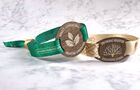
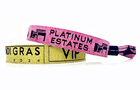
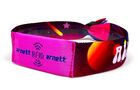
Bei den meisten Großveranstaltungen – Festivals, Stadionspielen, Markenaktivierungen und Konferenzen – stehen die Hauptdarsteller, Veranstaltungsorte oder die spektakuläre Produktion im Mittelpunkt. Doch am Handgelenk jedes Teilnehmers befindet sich ein oft übersehenes, aber wirkungsvolles Branding-Tool: das schlichte, individuell gestaltete Stoffarmband.
Diese gewebten oder sublimierten Armbänder dienen nicht nur als Zugangskontrolle, sondern erweitern auch die Reichweite einer Marke, prägen das Besuchererlebnis und werden ...
Weiterlesen
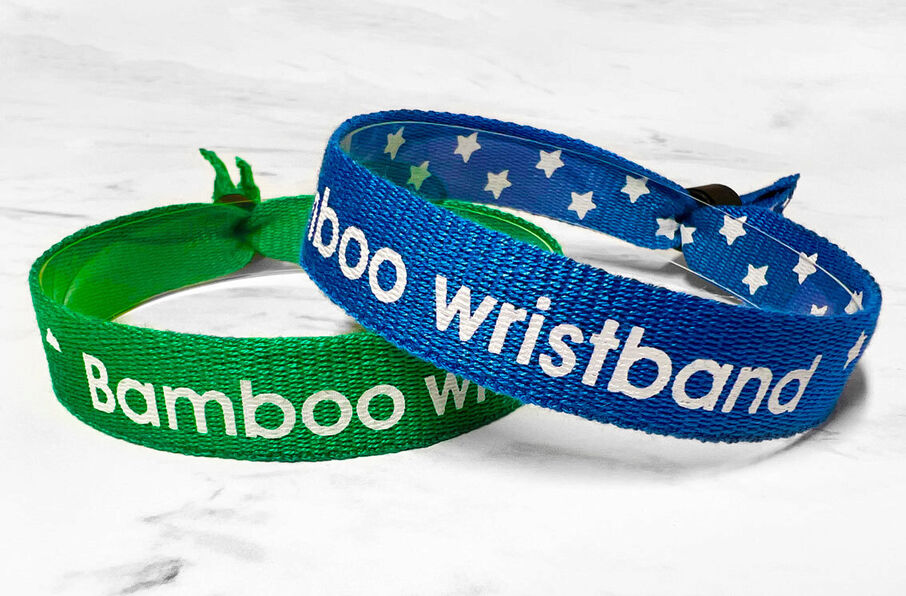
Bei den meisten Großveranstaltungen – Festivals, Stadionspielen, Markenaktivierungen und Konferenzen – stehen die Hauptdarsteller, Veranstaltungsorte oder die spektakuläre Produktion im Mittelpunkt. Doch am Handgelenk jedes Teilnehmers befindet sich ein oft übersehenes, aber wirkungsvolles Branding-Tool: das schlichte, individuell gestaltete Stoffarmband.
Diese gewebten oder sublimierten Armbänder dienen nicht nur als Zugangskontrolle, sondern erweitern auch die Reichweite einer Marke, prägen das Besuchererlebnis und werden sogar zu bleibenden Souvenirs. In einer Zeit, in der Marketingteams um Sichtbarkeit kämpfen, beweisen Stoffarmbänder, dass manchmal die kleinsten Dinge die größte Wirkung haben.
1. Ein integrierter Branding-Kanal
Im Gegensatz zu digitalen Anzeigen, an denen die Teilnehmer vorbeiscrollen können, wird ein Armband den ganzen Tag, auf Fotos und oft noch Wochen nach der Veranstaltung getragen. Da es sich bei Gesprächen und Selfies auf Augenhöhe befindet, fungiert das Armband im Wesentlichen als tragbare Werbetafel.
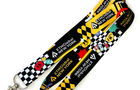
Ständige Sichtbarkeit: Anders als Schlüsselbänder oder Ausweise, die verstaut werden können, sind Armbänder bei Interaktionen ständig sichtbar.
Peer-to-Peer-Marketing: Besucher achten darauf, was ihre Freunde tragen, insbesondere in sozialen Umgebungen wie Konzerten und Festivals.
Leben nach der Veranstaltung: Viele Menschen behalten Stoffarmbänder als Andenken. Dies erhöht die Markensichtbarkeit noch lange nach Schließung der Tore.
2. Vielseitigkeit im Design
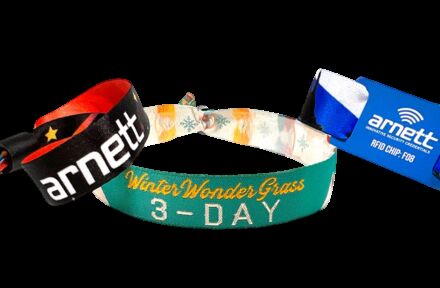
Moderne Stoffarmbänder sind nicht auf einfache einfarbige Drucke beschränkt. Fortschrittliche Produktionsmethoden (Weben, Thermosublimation, UV-Druck, Pantone-Farbabstimmung) ermöglichen Marken:
Reproduzieren Sie Logos mit Details in Fotoqualität.
Integrieren Sie einzigartige Texturen, Muster oder Metallfäden.
Halten Sie sich genau an die Markenrichtlinien des Unternehmens oder Sponsors.
Dies gewährleistet Konsistenz an allen Kontaktpunkten der Veranstaltung – Banner, Mitarbeiterkleidung, digitale Kampagnen – und stärkt eine einheitliche Identität.
3. Funktion trifft Mode
Ein Papierticket wird weggeworfen. Ein Tyvek-Armband reißt am Ende der Nacht. Ein gut gemachtes Stoffarmband hingegen verbindet Nutzen mit Ästhetik:
Komfort: Weicher, atmungsaktiver Stoff ist angenehm zu tragen, auch bei mehrtägigen Veranstaltungen.
Haltbarkeit: Gewebte Fäden halten Schweiß, Wasser und Bewegung stand.
Stil: Die Teilnehmer stimmen ihre Outfits oft auf ihre Armbänder ab und behandeln sie als modische Accessoires.
Dadurch werden sie zu Markenwerten, die die Menschen tatsächlich tragen und nicht nur tolerieren möchten.
4. Eine Plattform für Sponsoren
Veranstaltungssponsoren sind stets bestrebt, den ROI ihrer Investitionen zu steigern. Individuell gestaltete Stoffarmbänder können mit einem doppelten Branding versehen werden: der Veranstaltungsidentität auf der einen Seite und den Sponsorenlogos auf der anderen.
Das heisst:
Garantierte Präsenz in Fotos und Livestreams.
Assoziation mit den positiven Erinnerungen an das Ereignis.
Ein messbares Branding-Ergebnis für Sponsorenberichte.
Für Sponsoren ist ein Armband nicht nur ein Werbegeschenk, sondern auch ein Anwesenheitsnachweis im Fotoalbum jedes Teilnehmers.
5. Verbesserte Sicherheit und Engagement
Auch die funktionale Rolle der Armbänder trägt zum Markenruf bei:
Zugangskontrolle: Sichere Verschlüsse (Schließzylinder, RFID-Chips, Barcodes) gewährleisten, dass nur verifizierte Gäste Zutritt zu VIP- oder Sperrbereichen erhalten. Diese Zuverlässigkeit wirkt sich positiv auf die Marke der Veranstaltung aus.
Technische Integration: RFID-Stoffarmbänder dienen gleichzeitig als bargeldlose Zahlungsmittel oder Datentracker und ermöglichen es Marken, das Verhalten der Teilnehmer mit dem ROI des Sponsorings zu verknüpfen.
Personalisierung: Durch den Druck variabler Daten können auf den Armbändern Namen, Rollen oder Zonen der Teilnehmer angezeigt werden, was den Eindruck eines kuratierten Premium-Erlebnisses verstärkt.
6. Niedrige Kosten, große Wirkung
Marketingbudgets für Live-Events werden oft für die Inszenierung, digitale Kampagnen, Talente und Logistik aufgewendet. Individuell gestaltete Stoffarmbänder erzielen eine weitaus größere Markenwirkung als ihre Kosten:
Die Stückpreise sinken im großen Maßstab erheblich.
Die Produktion erfolgt schnell, mit Vorlaufzeiten von 5–10 Werktagen (und Eiloptionen verfügbar).
Die Verteilung ist in den Eingangsvorgang integriert – kein zusätzliches Personal erforderlich.
Für Veranstalter ist es einer der kosteneffizientesten Markeneindrücke pro Teilnehmer.
7. Der Souvenir-Effekt
Der vielleicht am meisten unterschätzte Wert von Stoffarmbändern ist ihre Rolle als emotionaler Kontaktpunkt. Teilnehmer bewahren sie an Pinnwänden auf, hängen sie an Rückspiegel oder tragen sie noch lange nach der Veranstaltung. Jeder Blick auf das Armband weckt positive Erinnerungen an die Marke.
Es ist dieser „Souvenireffekt“, der aus einem praktischen Sicherheitsgerät einen Erinnerungshalter macht und dafür sorgt, dass die Marke in Häusern, Autos und Gesprächen weiterlebt.
Fazit: Kleine Band, große Marke
Individuell gestaltete Stoffarmbänder sorgen zwar nicht so für Schlagzeilen wie Pyrotechnik oder Bühnenbild, doch ihr Einfluss auf die Markenbekanntheit ist unbestreitbar. Sie sind langlebig, sichtbar, individuell anpassbar und emotional ansprechend – alles Eigenschaften, die Marketingfachleute anstreben.
Wenn ein Veranstalter oder Sponsor das nächste Mal darüber nachdenkt, wie er sein Geld für die Markenbildung einsetzen soll, sollte er bedenken: Die unbesungenen Helden sitzen bereits um die Handgelenke seines Publikums.
en
At most large-scale events — festivals, stadium matches, brand activations, and conferences — the spotlight often shines on headliners, venues, or dazzling production. Yet tucked into every attendee’s wrist is an overlooked but powerful branding tool: the humble custom cloth wristband.
Far from being just an access control mechanism, these woven or sublimated bands quietly extend a brand’s reach, shape the attendee experience, and even become lasting souvenirs. In an era where marketing teams fight for visibility, cloth wristbands prove that sometimes the smallest items have the biggest impact.
1. A Built-In Branding Channel
Unlike digital ads that attendees can scroll past, a wristband is physically worn all day, in photos, and often for weeks after the event. Because it sits at eye-level in conversations and selfies, the wristband essentially acts as a wearable billboard.
Persistent exposure: Unlike lanyards or badges that may be tucked away, wristbands are constantly visible during interactions.
Peer-to-peer marketing: Attendees notice what their friends are wearing, especially in social settings like concerts and festivals.
Post-event life: Many people keep cloth wristbands as keepsakes. This extends brand visibility long after the gates close.
2. Versatility in Design
Modern cloth wristbands are not limited to simple one-color prints. Advanced production methods (woven, dye-sublimation, UV printing, Pantone color matching) allow brands to:
Reproduce logos with photo-quality detail.
Integrate unique textures, patterns, or metallic threads.
Match exact corporate or sponsor brand guidelines.
This ensures consistency across event touch points — banners, staff apparel, digital campaigns — reinforcing a unified identity.
3. Function Meets Fashion
A paper ticket is thrown away. A Tyvek wristband tears by the end of the night. But a well-made cloth wristband blends utility with aesthetic value:
Comfort: Soft, breathable fabric is pleasant to wear, even for multi-day events.
Durability: Woven threads withstand sweat, water, and movement.
Style: Attendees often coordinate outfits around their wristbands, treating them as fashion accessories.
That makes them brand assets people actually want to wear, rather than tolerate.
4. A Platform for Sponsors
Event sponsors constantly seek ROI on their investment. Custom cloth wristbands can carry dual branding — event identity on one side, sponsor logos on the reverse.
This means:
Guaranteed exposure in photos and livestreams.
Association with the positive memories of the event.
A measurable branding deliverable for sponsor reports.
For sponsors, a wristband isn’t just swag; it’s proof of presence in every attendee photo album.
5. Enhanced Security and Engagement
The functional role of wristbands also contributes to brand reputation:
Access control: Secure closures (barrel locks, RFID chips, barcodes) ensure only verified guests enter VIP or restricted areas. That reliability reflects positively on the event brand.
Tech integration: RFID cloth wristbands double as cashless payment tools or data trackers, allowing brands to connect attendee behavior to sponsorship ROI.
Personalization: Variable data printing lets wristbands display attendee names, roles, or zones, which improves the perception of a curated, premium experience.
6. Low Cost, High Impact
Marketing budgets for live events are often stretched across staging, digital campaigns, talent, and logistics. Custom cloth wristbands deliver a branding impact far larger than their cost:
Unit prices drop significantly at scale.
Production is fast, with 5–10 business day lead times (and rush options available).
Distribution is built into the entry process — no extra staffing needed.
For organizers, it’s one of the most cost-efficient brand impressions per attendee.
7. The Souvenir Effect
Perhaps the most underestimated value of cloth wristbands is their role as emotional touchpoints. Attendees save them on bulletin boards, hang them on rear-view mirrors, or wear them long after the event. Each time they glance at that wristband, the brand is recalled positively.
It’s this “souvenir effect” that turns a practical security device into a memory-keeper — ensuring the brand lives on in homes, cars, and conversations.
Conclusion: Small Band, Big Brand
Custom cloth wristbands may not command headlines like pyrotechnics or stage design, but their impact on brand awareness is undeniable. They are durable, visible, customizable, and emotionally resonant — all qualities marketers strive for.
The next time an organizer or sponsor considers where to allocate branding dollars, they should remember: the unsung heroes are already wrapped around the wrists of their audience.